Drain problems are often described with one word—slow, blocked, noisy—but the sequence can reveal much more. A timeline helps a plumber understand whether the concern is isolated to one fixture, shared by several drains, connected to a particular activity, or gradually becoming more frequent. The homeowner’s role is to observe normal use, not to conduct aggressive tests or combine drain products.
Identify the First Clear Change
Record the date or approximate period when drainage first differed from normal. Name the exact fixture and describe what happened: water lingered in a basin, a tub emptied slowly, a toilet level changed, or a nearby drain made a sound. Note whether the concern cleared on its own and how soon it returned.
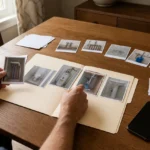
Use ordinary descriptions instead of assigning a cause. “Kitchen sink takes several minutes to empty after normal washing” preserves more useful information than “main line is clogged.” If you have a photograph or short video of ordinary drainage behavior, label its location and date. Do not overflow a fixture or run extra water solely to create evidence.
Track Fixtures as a Group
List other sinks, tubs, showers, toilets, floor drains, or laundry connections that behaved differently around the same time. Record which were in use when the symptom appeared and whether they are on the same floor or near one another. A simple floor-plan sketch can make the relationships easier to explain.
Pay attention to repeated sounds, odors, or water appearing at another fixture, but do not remove traps, open cleanouts, or probe drains to investigate. If sewage is present or a fixture is backing up, avoid contact and stop using affected plumbing until appropriate help is available. Safety and damage control take priority over completing the timeline.
Include Household and Property Context
Note recent guests, increased laundry, remodeling, appliance installation, landscaping, freezing conditions, or plumbing work that coincided with the change. Include what was placed down the drain during ordinary use without minimizing or exaggerating it. This context may guide questions, but it should not be presented as proof of a blockage location.
Write down any steps already taken, including the name of a product used and when it was applied. Never mix chemical cleaners or add another treatment before the plumber arrives. Accurate product information protects the service professional and helps prevent an unexpected exposure during evaluation.
Prepare a Concise Service Summary
Condense the notes into a chronological list: first fixture, later fixtures, frequency, related sounds or odors, and actions already taken. Attach only the clearest labeled images. Tell the plumber about access to affected rooms, basements, crawlspaces, exterior areas, or shared building spaces without entering restricted locations yourself.
In a shared building, record whether neighbors or common areas show a related concern only when that information has been reported to you. Do not enter another unit or test shared fixtures. Give building-management notices to the plumber because they may affect access and coordination.
A drain-symptom timeline does not need to identify the obstruction. Its value comes from showing how the behavior spread, repeated, or changed under normal conditions. That record lets the plumber plan appropriate evaluation and explain findings against a factual history rather than a single moment at the end of the problem.