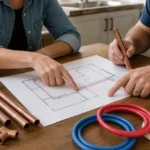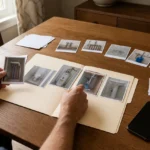
Plumbing plans are based on the conditions visible and known at the time the scope is prepared. Once a fixture is removed, an access area is opened, or testing begins, new information may reveal a different connection, damaged material, limited route, or related condition. A change is not automatically evidence of poor planning, but it does require a clear explanation and an informed decision.
Identify What Is Actually New
Ask the plumber to show or document the condition and explain why it could not reasonably be confirmed earlier. The record should locate the finding and distinguish it from the original symptom. Photographs, measurements, or product information may help, but the explanation should remain understandable without relying on a technical label alone.
Compare the discovery with the accepted scope. Determine which assumption no longer holds and which part of the planned work is affected. A concealed condition in one area should not be used to expand unrelated parts of the project without separate evidence.
Understand the Available Responses
Request the practical options supported by the finding, including whether work can continue as planned, needs a defined modification, or should pause for another evaluation. Ask what each option changes in function, access, materials, testing, restoration, and future service. When another trade or property authority is needed, identify that dependency.
Keep required work separate from optional improvement. A newly accessible area may reveal an opportunity, but opportunity is not the same as necessity. The owner should be able to see which response addresses the present condition and which choice concerns preference or future planning.
Put the Revision in Writing
A change document should state the new information, revised work, additional or removed responsibilities, affected areas, and effect on project logistics. It should also update exclusions and handoff requirements where needed. Avoid authorizing a broad verbal instruction that cannot be compared with the completed result later.
Photograph the area before it is concealed again when safe and appropriate. Record approval in the project file and mark outdated drawings or descriptions as superseded. If work pauses, note the protected condition of the site and who owns the next step.
Revisit Testing and Completion
Changes may alter what needs to be checked before service resumes or finishes are restored. Ask how the revised work will be evaluated and which owner-facing information will be provided. Confirm whether the discovery affects other fixtures or areas only when direct evidence supports that conclusion.
Consider the effect on scheduled restoration, occupied rooms, and other providers already involved. A small plumbing revision can alter when a cabinet, wall, or floor can be closed. The updated sequence should identify those dependencies so one completed task does not conceal an area another provider still needs to inspect.
At handoff, review the original scope and changes as one sequence. The record should show why the plan moved, not merely that it became larger or different. Handling new plumbing information transparently protects the property, keeps decisions tied to findings, and gives future service providers an accurate account of what was observed and completed.