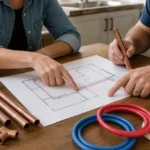
A fixture installation involves more than selecting a faucet, sink, toilet, shower component, or appliance connection that looks right. Dimensions, existing plumbing, mounting surfaces, access, drainage, water supply, product requirements, and finish protection can all shape the work. Asking detailed questions before approval helps the homeowner and plumber define the same project.
Is the Product Suitable for the Location?
Provide the exact manufacturer and model information for the proposed fixture. Ask the plumber to review its dimensions, connection requirements, mounting method, and service clearances against the actual site. A product marketed for a general application may still conflict with an existing opening, cabinet, countertop, wall assembly, drain location, or water-supply arrangement.
Clarify who is responsible for verifying the product, ordering it, inspecting it upon arrival, and handling a damaged or incomplete shipment. Avoid assuming that the plumber can adapt any fixture on site. A substitution may change labor, materials, access, or surrounding finish work and should be discussed before installation begins.
What Existing Conditions Are Included?
Ask which visible supply, shutoff, drain, trap, flange, mounting, venting, or support components are expected to remain. The answer should distinguish confirmed conditions from those that cannot be assessed until the old fixture is removed. If deterioration, nonstandard connections, or concealed damage is found, the scope should explain how that discovery will be documented and approved.
Discuss water shutoff and testing plans in project terms, leaving valve operation and plumbing changes to the professional. In a multi-unit or shared building, identify any notice, access, or coordination that belongs to the owner or property manager.
Who Handles Surrounding Finishes?
Installation may affect caulk, tile, countertops, cabinets, flooring, wall openings, paint, or trim. Ask which protection, removal, patching, and final sealing tasks are included in the plumbing work and which require another trade. “Install fixture” should not silently stand for every possible restoration activity around it.
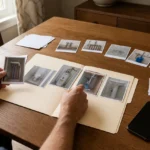
Record existing chips, stains, movement, or moisture before work with dated photographs. Note narrow passages and the route for removing the old fixture and bringing in the new one. Clear logistics protect the property and reveal when size or weight creates a separate handling need.
How Will Completion Be Confirmed?
Ask what operating checks the plumber will perform for supply, drainage, connections, controls, and ordinary fixture use. Confirm which owner-facing care guidance and product documents will be handed over. If an accessory, filter, cartridge, or special control needs future attention, record its identification and normal access method.
Decide what will happen to the removed fixture and packaging. The scope should say whether disposal, owner retention, recycling arrangements, or return preparation is included. If the old item may be needed for a product claim or property record, identify that before it leaves the work area.
Keep the accepted scope, product details, approved changes, and completion notes together. A well-planned fixture installation makes product responsibility, existing plumbing, finish work, and testing visible before the project starts. Those questions reduce ambiguity without pretending that concealed conditions can be known until the relevant area is safely accessed.